Small garden doesn’t mean small dreams.
A lot of people skip trees altogether thinking there’s no room, but that’s leaving so much potential on the table.
Dwarf varieties, columnar shapes, trees that flower in spring and still look good bare in winter there’s a surprising amount to choose from.
We’re breaking down the best picks for tight spaces, patios, even courtyards.
Let’s make it happen.
This Tree Basically Wears A Costume Year Round
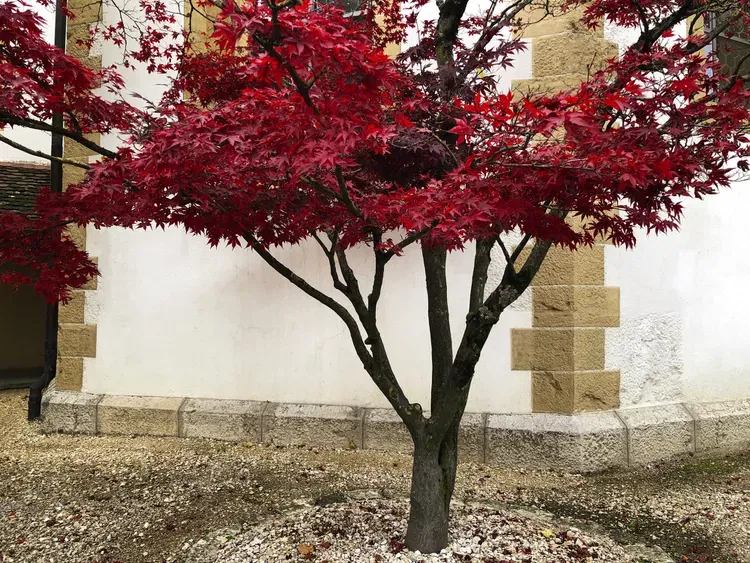
Okay so a Japanese maple against a plain wall isn’t subtle, and honestly that’s the whole point.
Give it dappled shade since harsh afternoon sun can scorch those deep red leaves fast.
Gravelly, well drained soil suits it perfectly, no soggy roots allowed here.
Prune lightly in winter just to shape, not to control size.
Snacks Straight Off The Branch
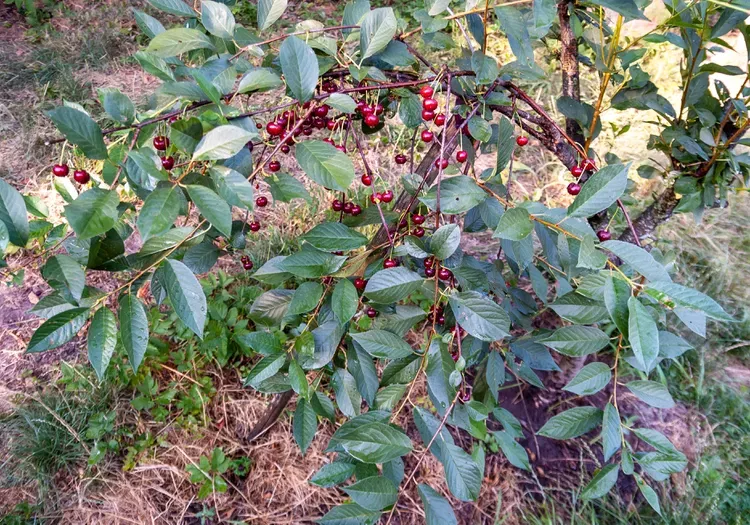
I mean, a cherry tree this loaded basically turns your backyard into a free bakery supply run.
Full sun and decent drainage keep the fruit sweet instead of watery and bland.
Small gardens handle these fine since most cherry varieties stay manageable with yearly pruning.
Net it before birds figure out the harvest schedule too.
Citrus Trees Are Just Showing Off At This Point
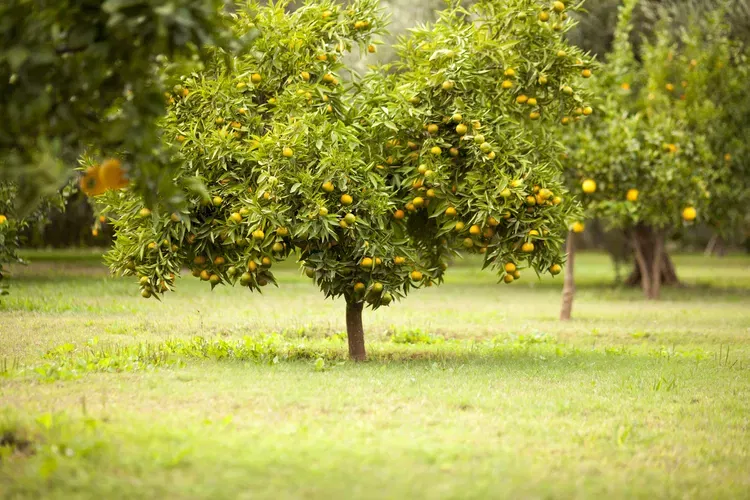
So watching an orange tree drip with fruit while the grass stays perfectly green feels almost unfair.
These need warm winters or a container you can drag indoors when frost threatens.
Full sun all day keeps fruit production steady through the season.
Basically a tree that pays you back in juice.
Tiny And Tidy, No Notes
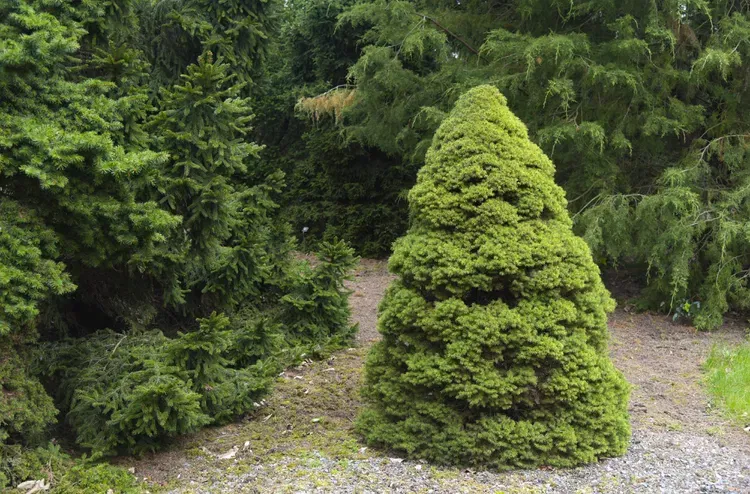
Honestly, a dwarf conifer shaped like a little green cone fits corners where a full tree would just be too much.
These grow painfully slow, which is actually the appeal for small space gardens.
Well drained soil and some sun keep the shape dense instead of patchy.
Basically no pruning required, it just holds its form.
Pink Explosion, Minimal Effort
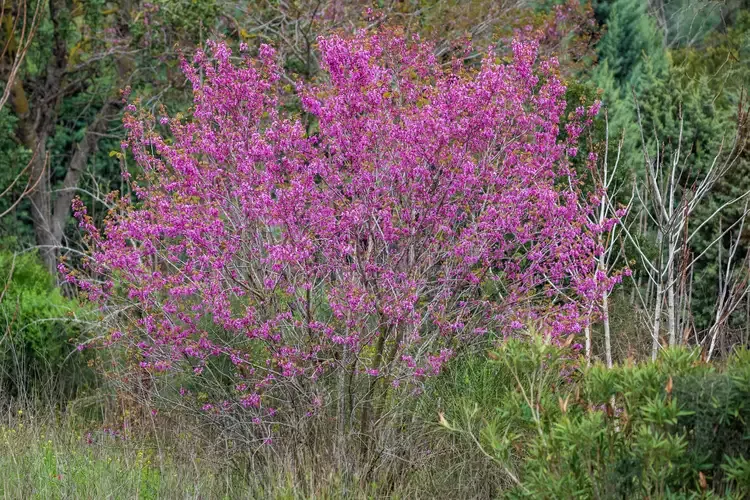
You know, a redbud in full bloom looks like it’s trying way too hard, and yet it needs almost nothing from you.
Part shade works fine, especially in hotter climates where full sun can stress the leaves later in summer.
These stay naturally compact, perfect for a garden that can’t spare a huge canopy.
Blooms fade to heart shaped leaves that carry the show through summer.
Crabapples Bring The Drama Every Spring
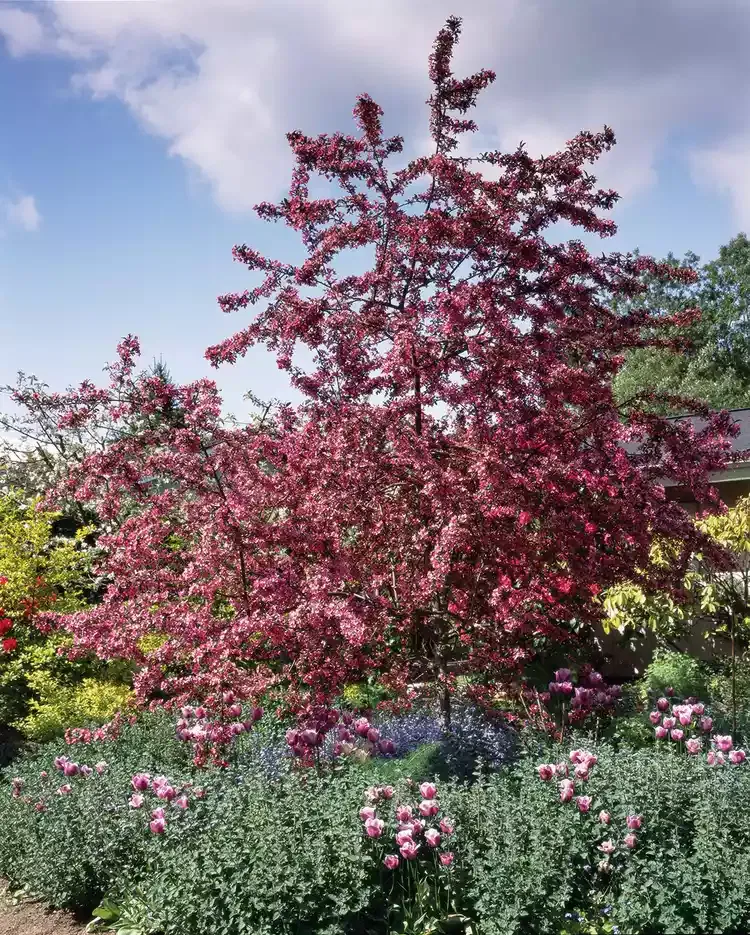
Basically this tree goes from bare branches to a full pink cloud in about two weeks flat.
Pair it with tulips and catmint below since they bloom on a similar timeline for a coordinated show.
Full sun keeps flowering dense instead of sparse and patchy.
Rake up fallen blossoms if you’re precious about lawn tidiness, otherwise just let them be.
Star Magnolia Doesn’t Need An Introduction
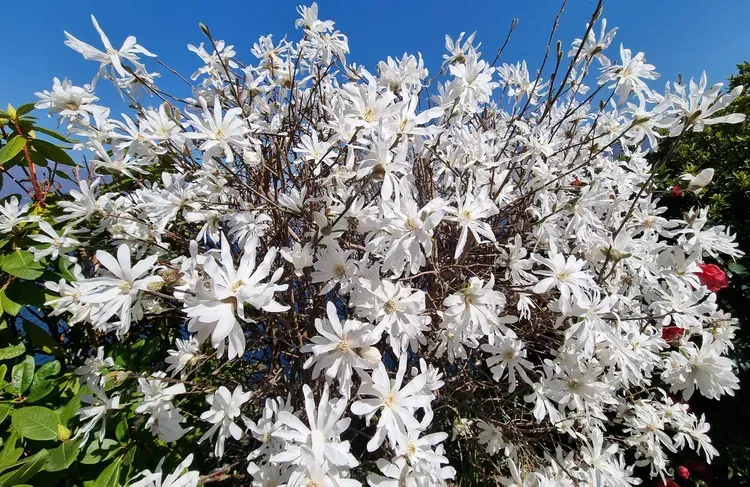
I mean, when a tree covers itself in white star shaped blooms before the leaves even show up, you just let it have the spotlight.
These stay compact enough for small yards, rarely pushing past a modest height.
Plant somewhere sheltered from late frost since early blooms are vulnerable to a cold snap.
Basically the first sign spring actually showed up.
Hydrangea Trees Exist, Apparently
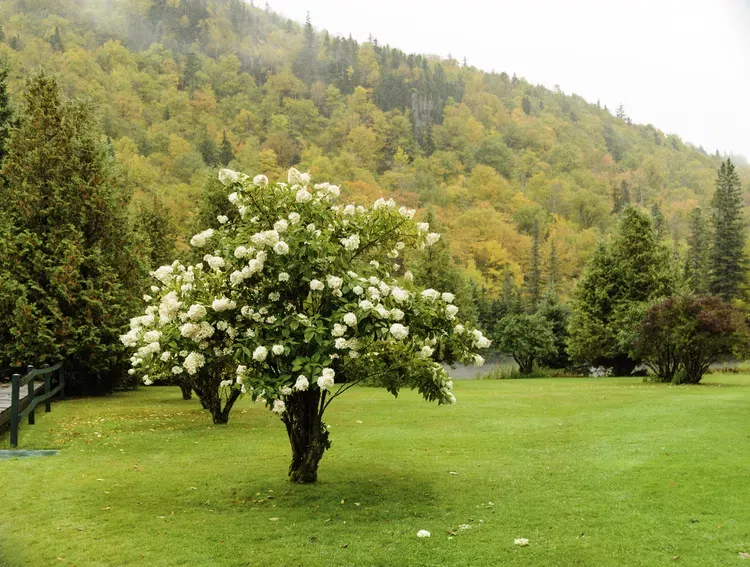
So this white flowering tree with those puffball clusters basically photobombs every autumn hillside shot without even trying.
Cooler climates suit it well, and it tolerates part shade without sulking.
Small gardens work fine since it stays modestly sized compared to bigger flowering trees.
Deadhead spent blooms to keep it looking fresh into fall.
Variegated Leaves For The Detail Obsessed
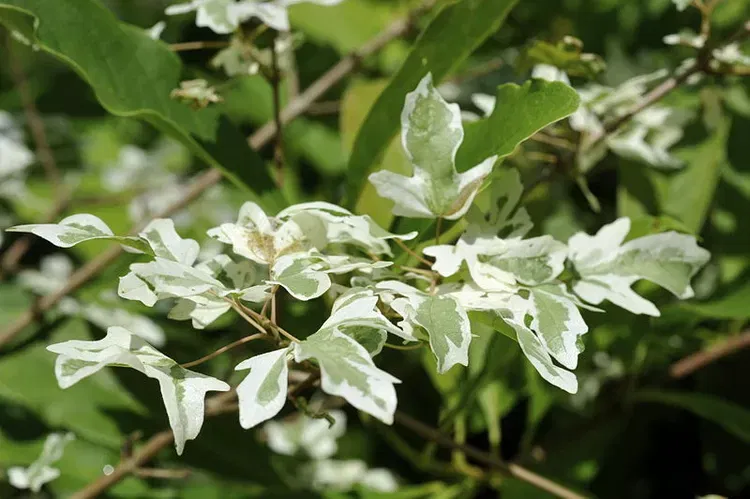
Honestly, close up this looks like someone hand painted white streaks onto every single leaf.
These shrubby small trees do best with some shade since variegated foliage can scorch under harsh sun.
Great as a focal point where you want texture without needing flowers to carry it.
Trim occasionally to keep the variegation showing on new growth.
Two Weeping Trees Walk Into A Lawn
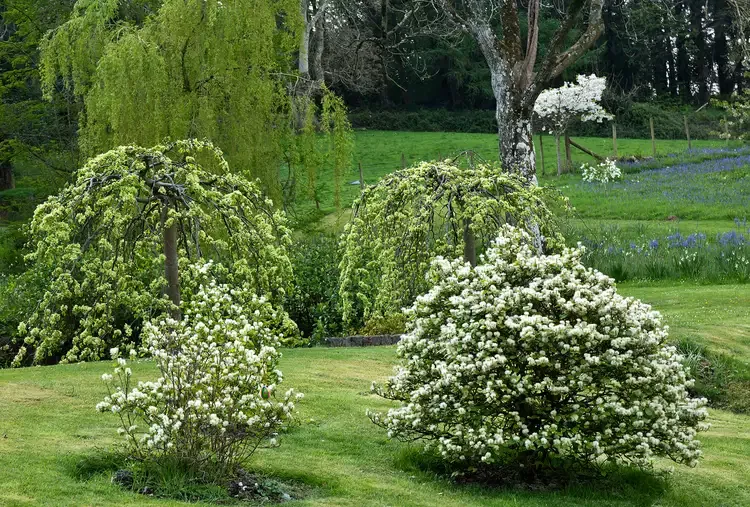
Basically weeping trees paired together create this soft curtain effect that regular upright trees just can’t pull off.
They need open space to let branches cascade properly, so avoid cramming them against a fence.
Underplant with low white blooming shrubs for a layered, cottage garden feel.
Prune only to remove dead wood, the weeping habit does the rest.
Blue Spruce Needles Look Almost Fake
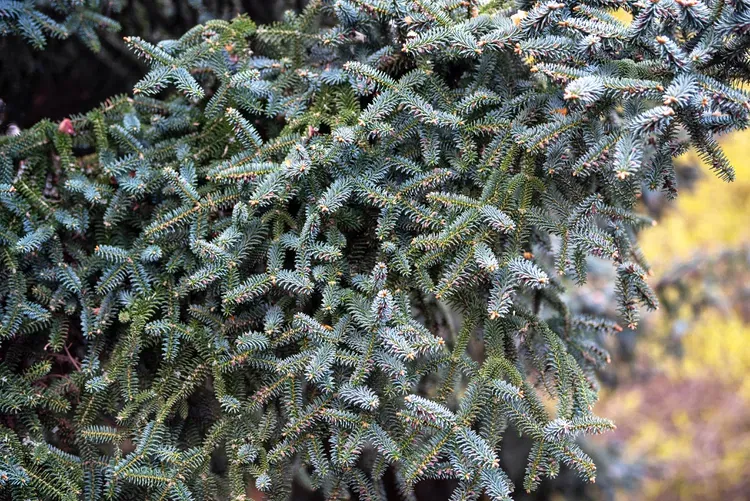
I mean, that silvery blue color on spruce foliage looks photoshopped even in person.
Full sun keeps the color vivid, since shade tends to wash it toward plain green.
These work as a dwarf variety in smaller yards, just check the mature size before planting.
Basically zero maintenance beyond occasional shaping.
Fall Foliage That Steals The Whole Path
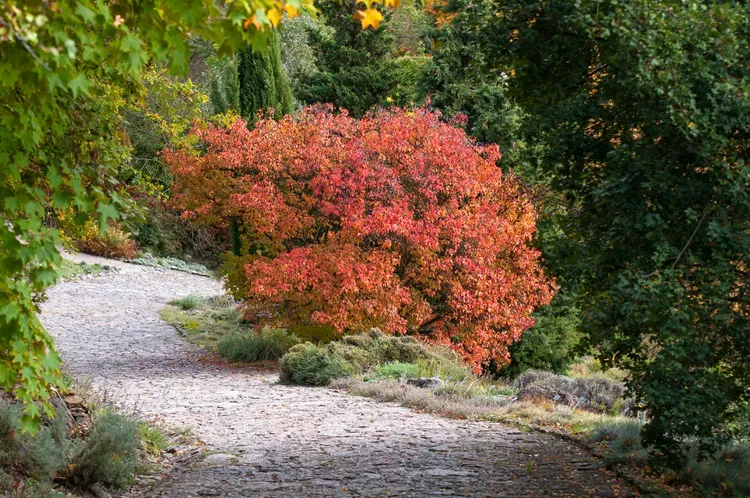
Okay, a shrubby tree that turns this shade of red in autumn basically becomes the reason you take the long way home.
Full sun brings out the most vibrant color change come October.
These handle poor soil fine, which makes them forgiving for less than perfect garden spots.
Rake leaves promptly since the color fades fast once they drop.
One Flower, Maximum Impact
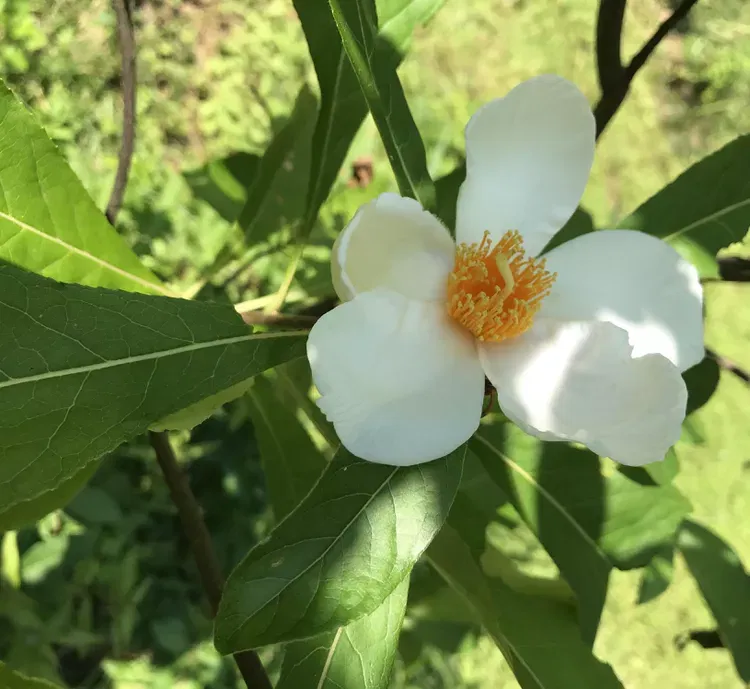
So this single white bloom with a golden center basically looks too perfect to be real up close.
Silky camellia types like this tolerate part shade and slightly acidic soil without complaint.
Great for small gardens since the tree itself stays modest while the flowers do all the work.
Water consistently during dry spells to keep buds from dropping early.
Clusters Of Tiny Blooms, Big Payoff
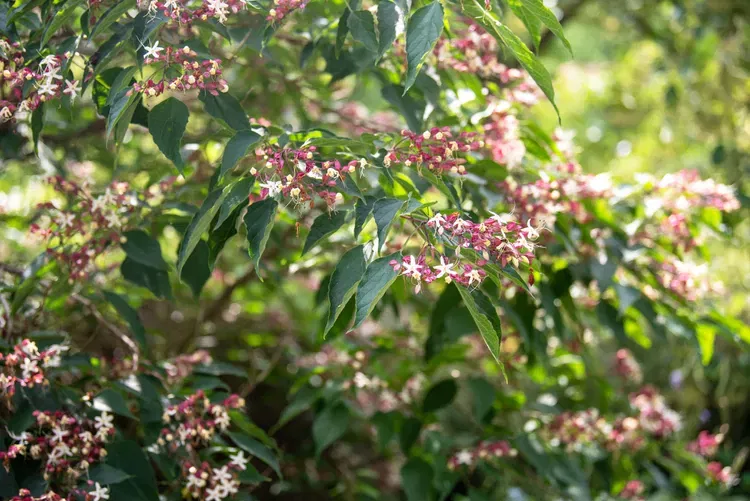
Honestly, this shrubby tree covered in small pink and white clusters looks busy in the best way.
Part sun and regular moisture keep the blooms coming steadily through the season.
These work well tucked into a mixed border rather than standing totally alone.
Prune after flowering to keep the shape from getting leggy.
White Blooms With A Little Attitude
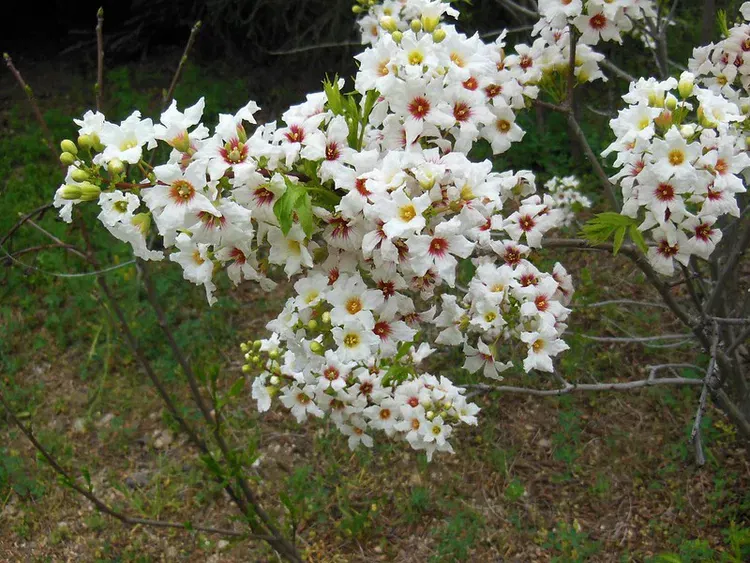
I mean, those red centered white flowers on this small tree add just enough contrast to stand out from typical spring white bloomers.
Full sun and dry, well drained soil suit it best since overly wet roots cause problems fast.
Compact size makes it a solid pick for gardens without room for anything sprawling.
Little upkeep needed once established.
Blooms When Nothing Else Bothers
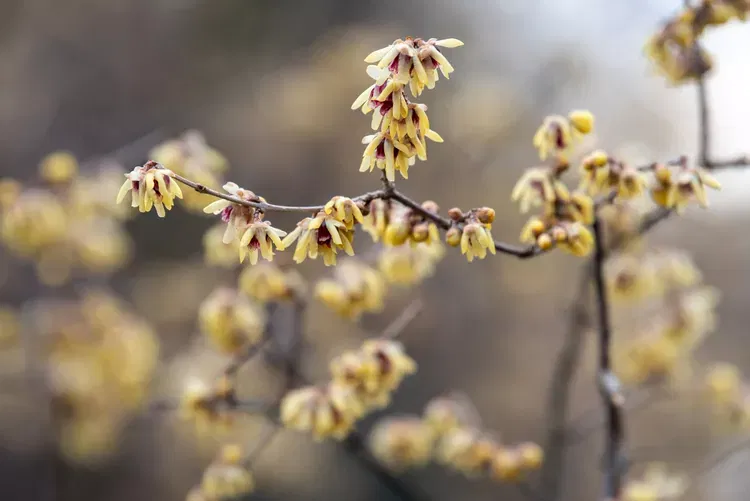
So wintersweet flowering in the cold months basically gives your garden something to look at when everything else is dormant and sad.
These small trees tolerate poor soil and need very little babying once settled in.
Plant near a path or door since the fragrance is honestly the main event here.
Prune right after flowering to keep next year’s blooms coming.
Lemons Without The Grove Commitment
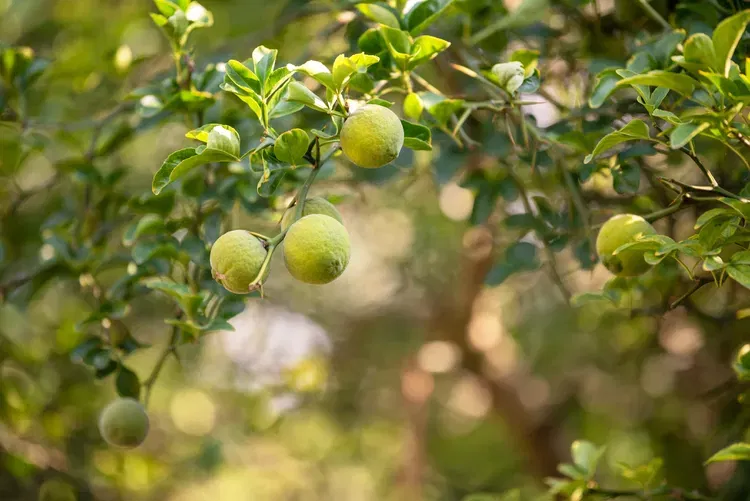
Basically a small lemon tree gives you actual usable fruit without needing an orchard’s worth of space.
Full sun and regular watering keep fruit developing steadily through the season.
Container growing works great if winters get too cold for it to stay outside.
Harvest as soon as they yellow for the best flavor.
Compact Evergreen, Zero Drama
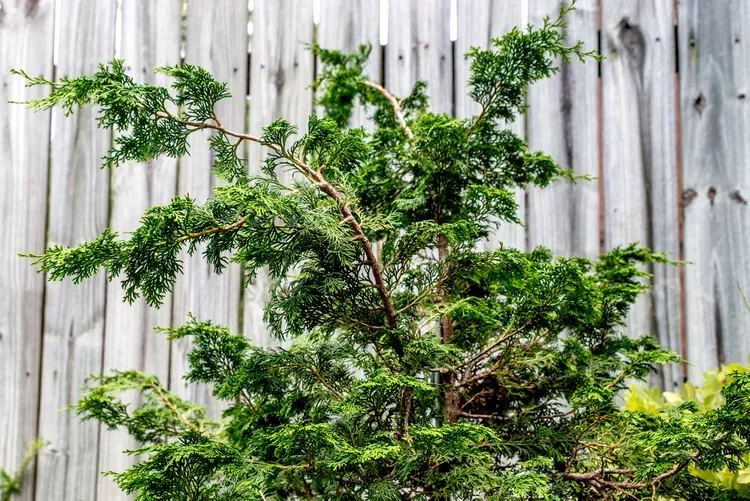
I mean, a small juniper or arborvitae style tree against a fence fills space without demanding constant attention.
These tolerate a range of soil types and need minimal water once established.
Great for privacy screening in tight side yards where bigger trees won’t fit.
Trim once a year just to keep the shape controlled.
Crepe Myrtle Basically Blooms All Summer Long
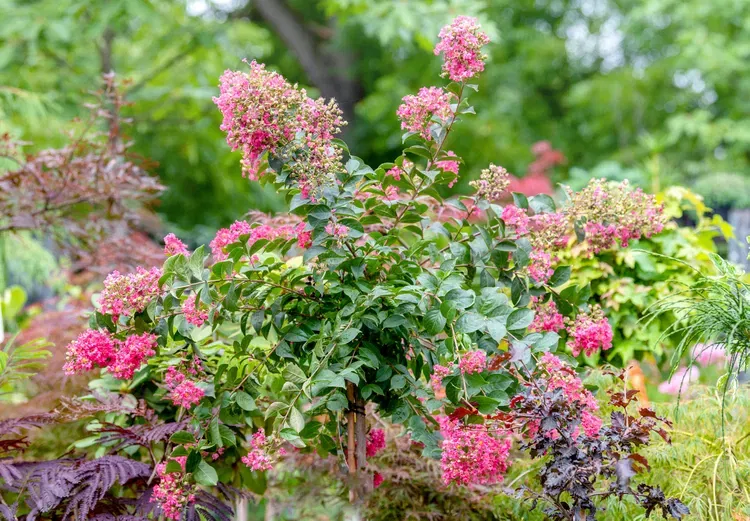
Okay, when most flowering trees are done by June, crepe myrtle just keeps going with those bright pink clusters.
Full sun is non negotiable here, shade means fewer blooms and weaker color.
These stay compact enough for small gardens, especially dwarf varieties bred specifically for tight spaces.
Prune in late winter, never in fall, to protect next season’s flowers.
Holly Berries Mean Winter Interest Is Handled
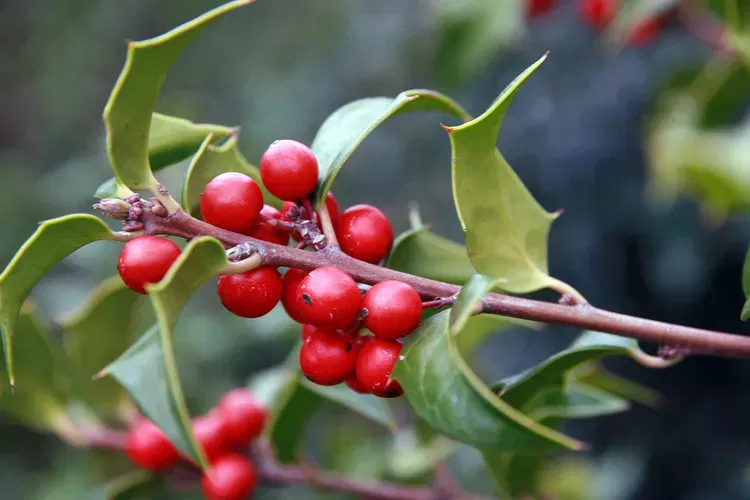
So a holly shrub loaded with red berries basically decorates itself for the season without you lifting a finger.
Full sun to part shade works fine, and it tolerates a range of soil conditions.
These stay naturally compact and make great structural anchors in small garden corners.
Birds will strip the berries eventually, which is honestly half the fun of having them.