Tomatoes climbing a trellis just hit different than tomatoes sprawled across the ground.
Less mess, less bending, way more veggies per square foot.
Cucumbers, beans, peppers, even squash if you rig up the right support.
Vertical growing isn’t just for tiny spaces either it keeps things tidy, cuts down on pests, and makes harvesting way less of a workout.
Small yard or big one, this trick works either way.
Now let’s talk looks.
The Wall That Basically Sorts Itself By Color
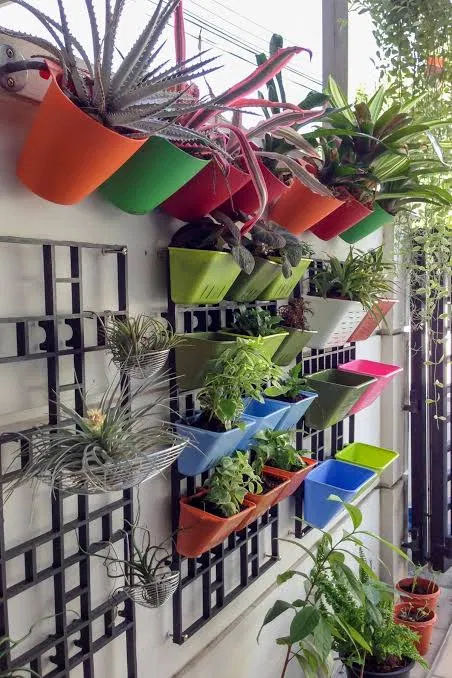
Mismatched buckets in orange, green, blue, and pink mounted on a black grid frame turn one plain wall into a full growing system.
Air plants tuck into the gaps between larger pots, using space that would otherwise go completely wasted.
You ought to try grouping containers by drainage need rather than color, although honestly the rainbow effect here is doing serious visual work too.
Walking Through Your Own Bean Tunnel
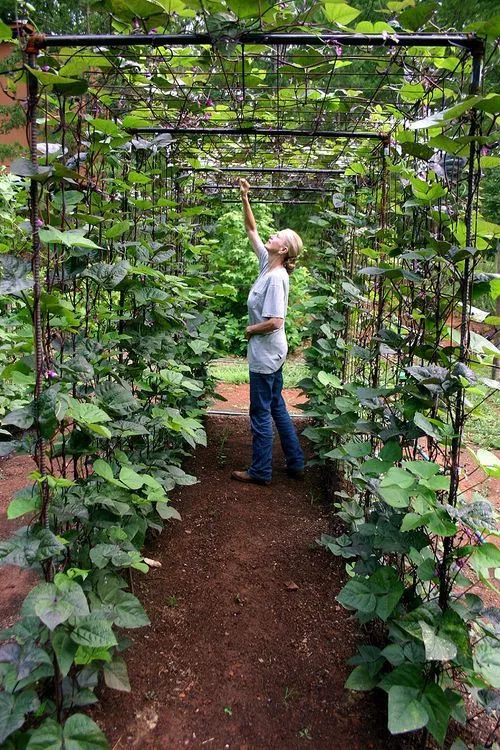
Imagine harvesting dinner by literally walking underneath it.
This arched metal tunnel trained with climbing beans creates a shaded, productive walkway instead of wasting garden width on sprawling vines.
Vertical training like this doubles your growing space per square foot.
Usually gardeners underestimate how much a simple arch structure can transform a narrow path into the most photographed corner of the whole yard.
Tomatoes And Gourds Sharing One Wall, Somehow
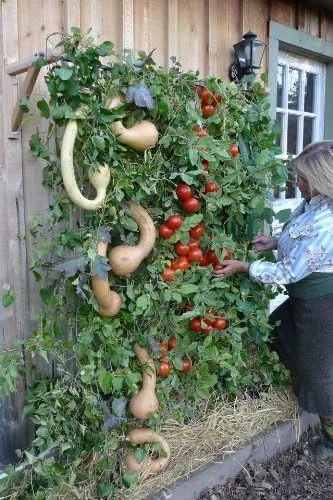
Who knew bottle gourds and cherry tomatoes could coexist this beautifully against a single wood wall.
Trellised vertically, both plants climb using the same support structure while keeping fruit off the ground and away from rot.
This mixed planting approach also confuses pests that usually target one crop at a time.
Basically, vertical mixing is an underused trick worth stealing.
Crates Stacked Like A Puzzle, Growing Everything
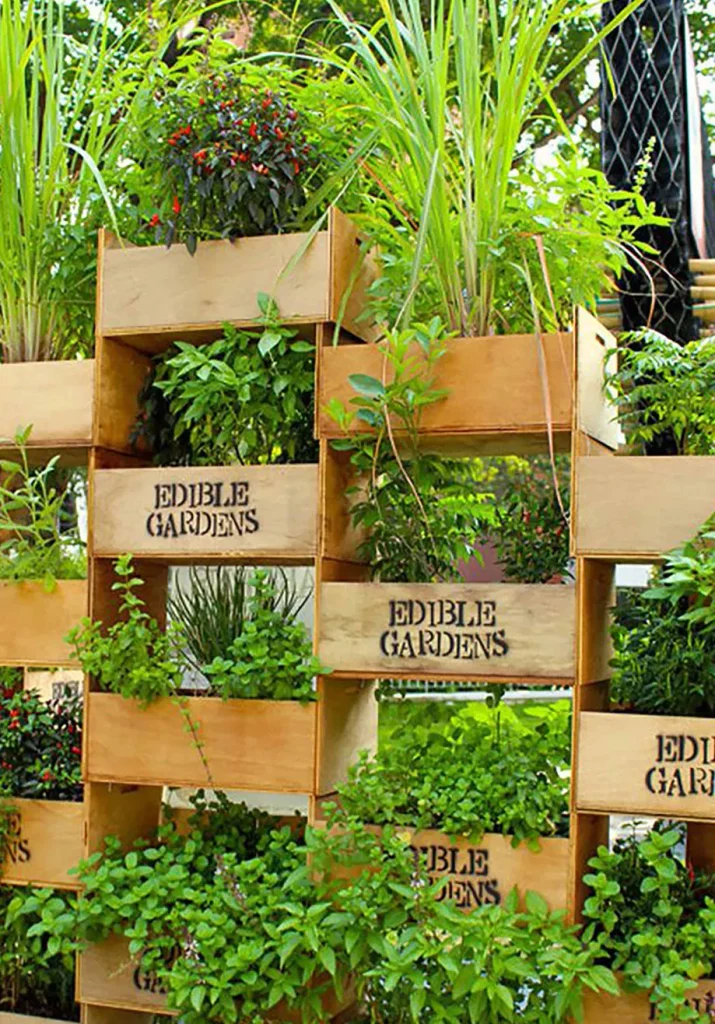
These staggered wooden crates branded Edible Gardens prove modular planting can look genuinely architectural.
Each box holds something different, chili peppers, lemongrass, herbs, so height variation happens naturally as you stack them.
Nonetheless, drainage holes matter enormously in a design this dense.
If you like building things yourself, this crate system scales up or down depending on how much wall space you actually have.
Peas Climbing A Living Privacy Fence
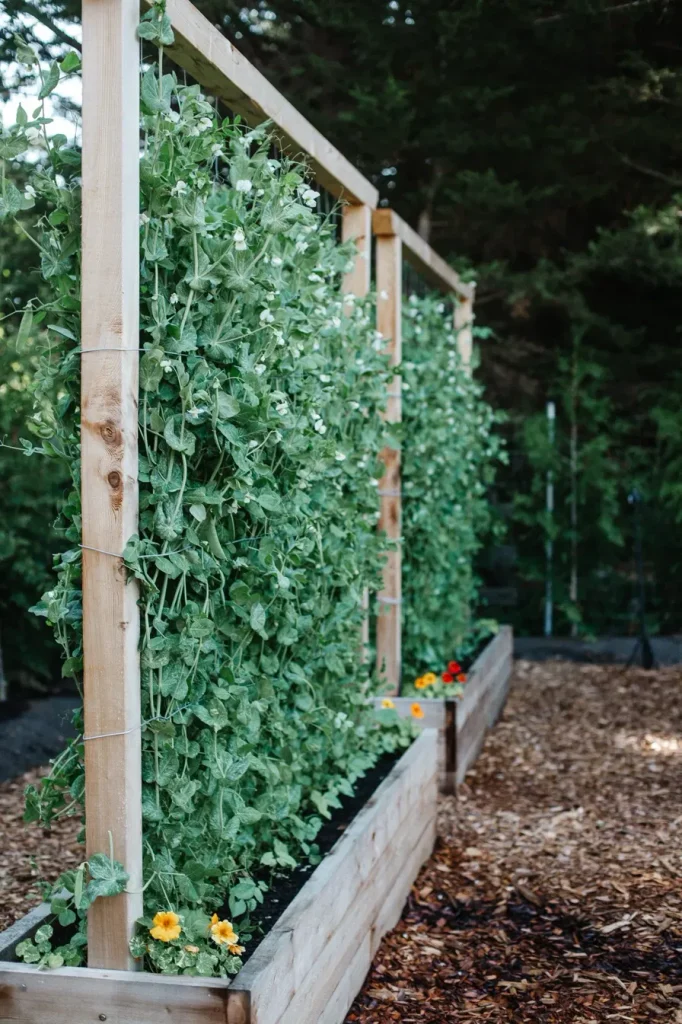
Sweet peas trained flat against a wire and wood frame like this basically function as a living privacy screen while still producing food.
The frame gives structure early on, then the vines take over completely by midsummer.
I mean, why build a plain fence when it could be flowering and edible instead.
Nasturtiums planted at the base add extra color and edible flowers too.
Small Balcony, Big Herb And Veggie Energy
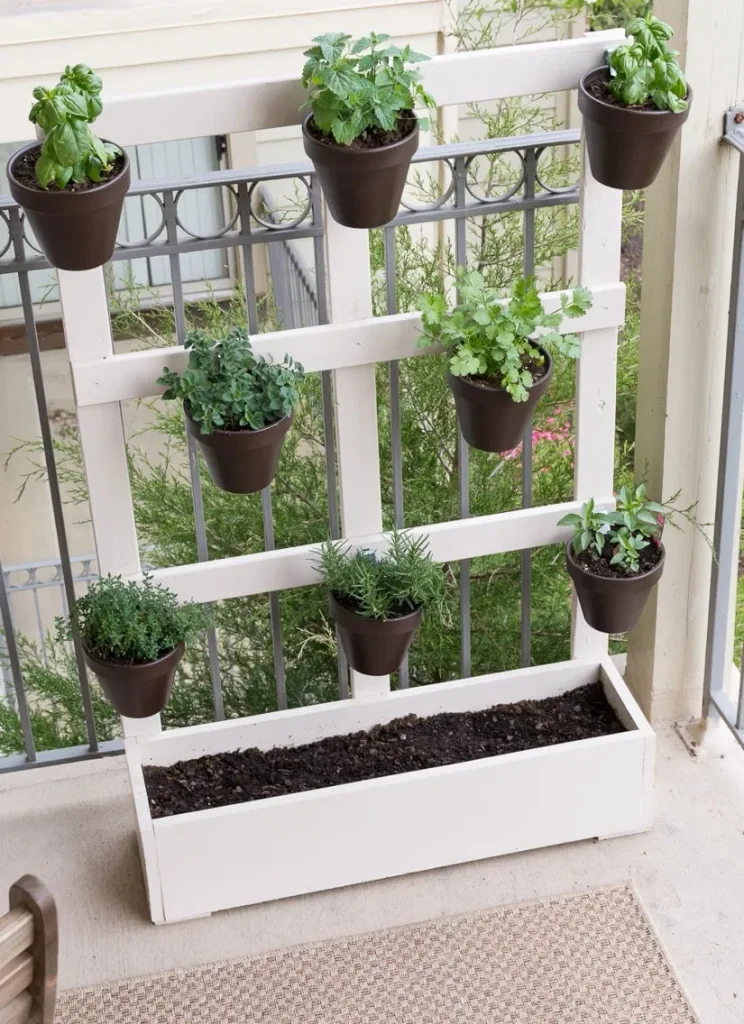
This compact white trellis with hanging terracotta pots mounted right on a railing solves the classic small balcony problem.
Nine pots hold everything from basil to peppers, each one removable for easy watering or swapping.
The built in planter box underneath adds extra root space for anything that needs more depth.
Honestly, apartment dwellers, this one is basically made for you.
The Dream Garden Layout, Straight From Pinterest
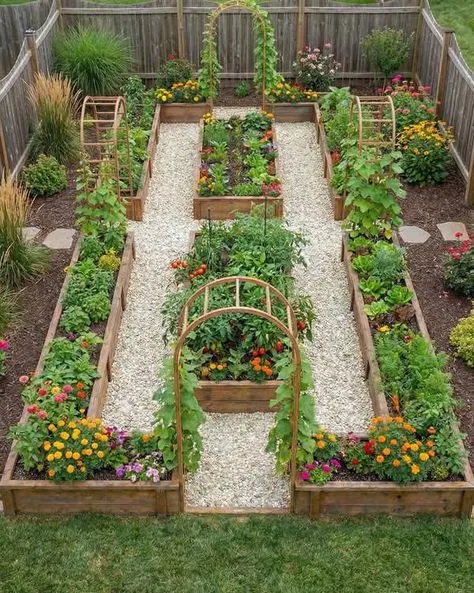
Gravel paths, arched trellises, and raised beds arranged in a perfect grid, this layout is basically the fantasy version of a backyard vegetable garden.
Arches at each entry point double as vertical growing space for climbing plants.
Symmetry like this makes maintenance easier too since every bed gets equal access.
You ought to steal the path layout even if your beds are not this elaborate.
Lettuce Growing Sideways, On Purpose
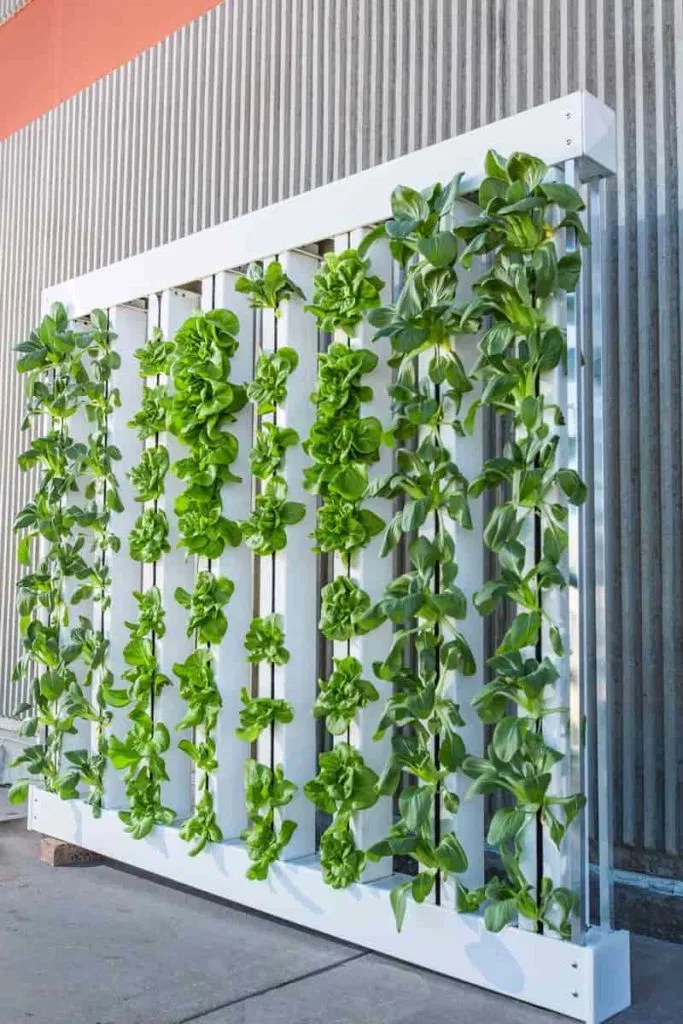
This sleek white vertical tower growing lettuce and bok choy horizontally out of narrow slats looks more like a modern art piece than a garden.
Nutrient rich water runs through internal channels, letting greens grow without soil at all.
Although this setup leans more technical, the payoff is serious yield in a tiny footprint.
Perfect if you want maximum harvest with minimal ground space.
An Actual Tunnel Made Of Cucumbers And Tomatoes
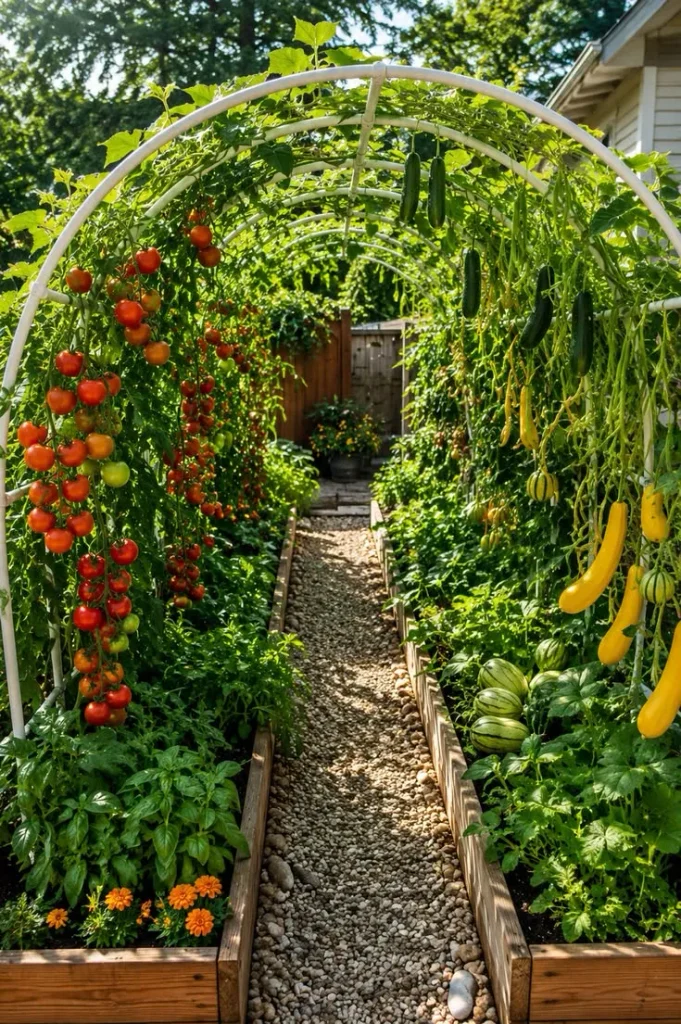
Walking beneath cascading tomatoes on one side and hanging cucumbers on the other, this arched tunnel basically turns harvesting into an event.
PVC hoops keep the structure lightweight yet sturdy enough for heavy vine growth.
Gravel underfoot keeps the path clean even after watering.
This is the kind of project that makes neighbors stop and ask questions.
Cucumbers Climbing Their Own Cage
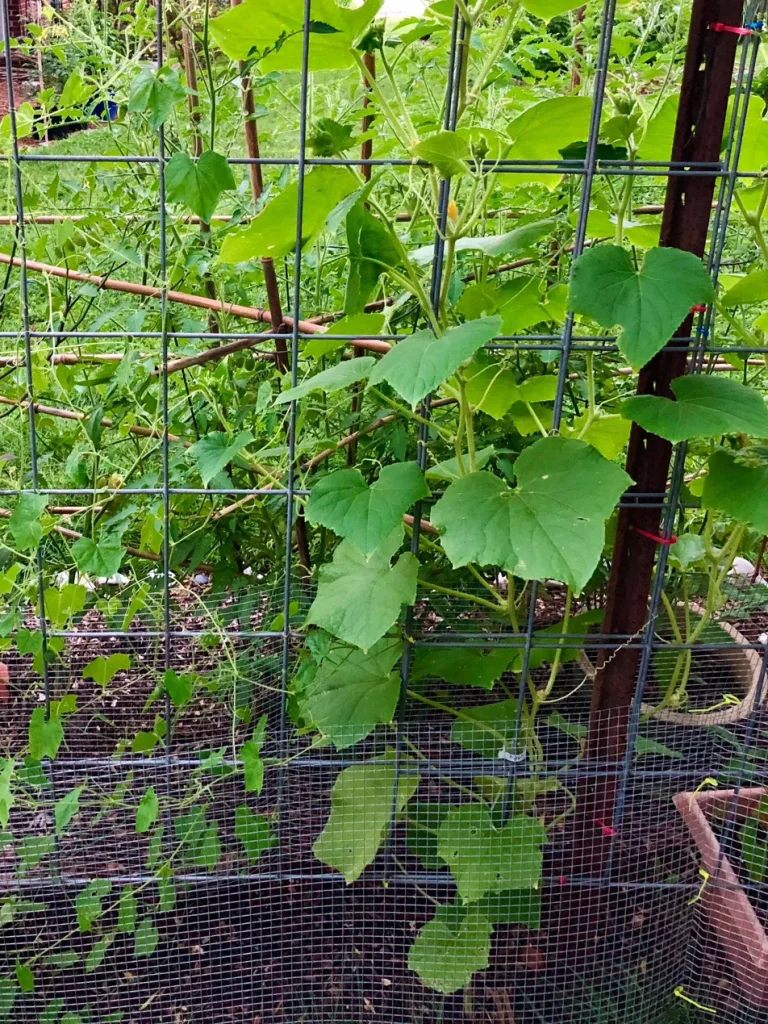
A simple wire mesh cage wrapped around wooden stakes gives cucumber vines exactly what they want, something to grab onto and climb.
Vertical growing like this keeps fruit straight and away from soil borne disease.
However, check the cage weekly since cucumber vines grow fast and can outpace loose ties within days.
This budget friendly method costs almost nothing beyond wire and stakes.
The Shoe Organizer Hack, But For Real Food
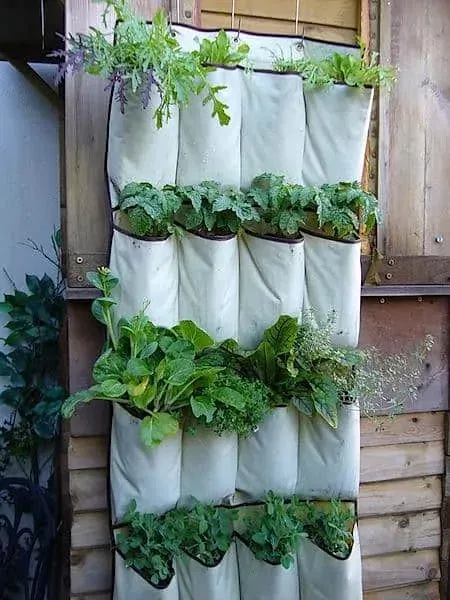
Repurposing a canvas hanging shoe organizer into a vertical planter is honestly genius, and this one is stuffed with salad greens in every pocket.
Each pocket drains and holds soil just deep enough for shallow rooted crops like lettuce and arugula.
Mounting it on a fence takes zero construction skill.
If you want to test vertical growing before committing to anything permanent, start here.
One Man, One Wall, An Absurd Amount Of Tomatoes
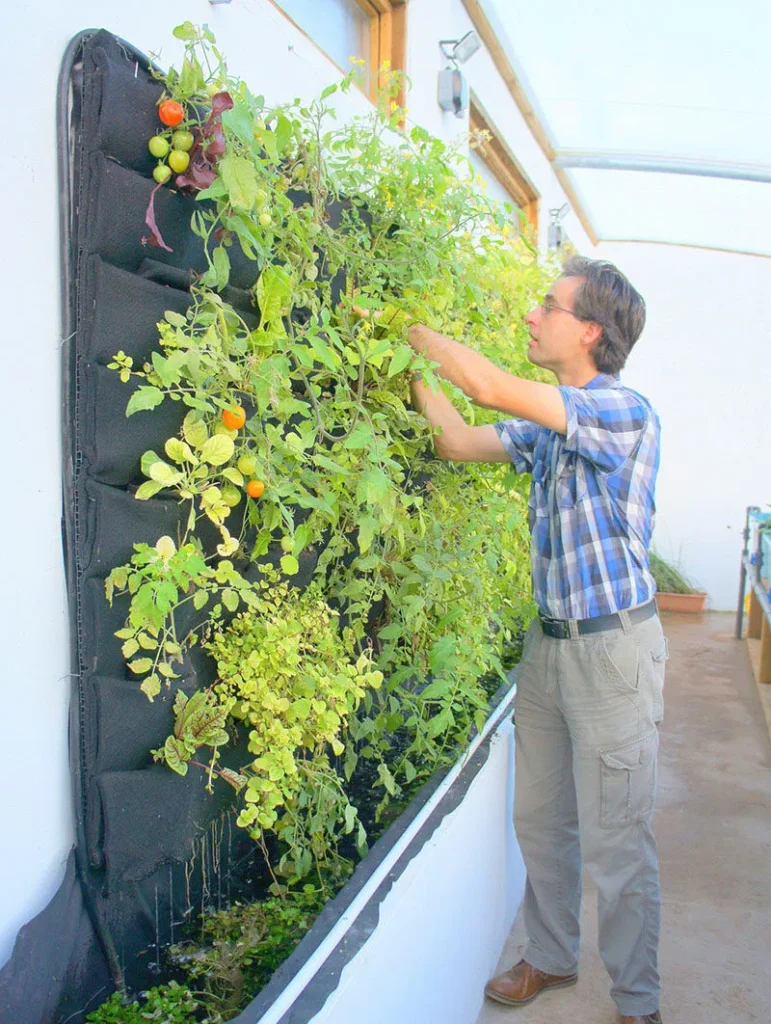
This felt pocket wall system mounted against a greenhouse wall is producing tomatoes, chard, and herbs all from one vertical surface.
Drip irrigation built into the top row waters everything below it automatically.
Basically, this proves a single wall can replace an entire raised bed if you engineer it right.
Worth considering if ground space is nonexistent but wall space is not.
Lettuce Towers Hanging From A Greenhouse Frame
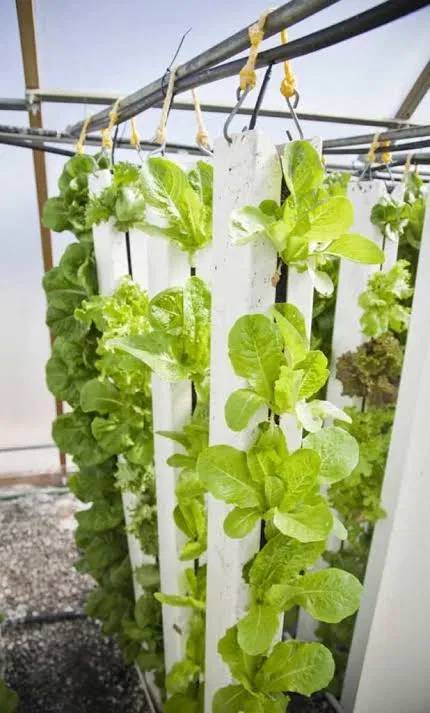
Suspended white lattice columns dripping with lettuce heads make this greenhouse setup look almost too neat to be real.
Hanging vertically like this keeps roots contained while letting heads fill out fully on all sides.
Although this style suits a dedicated greenhouse more than a backyard, the same column concept works smaller scale with PVC pipe at home.
The Fabric Pouch Wall That Grows At Serious Scale
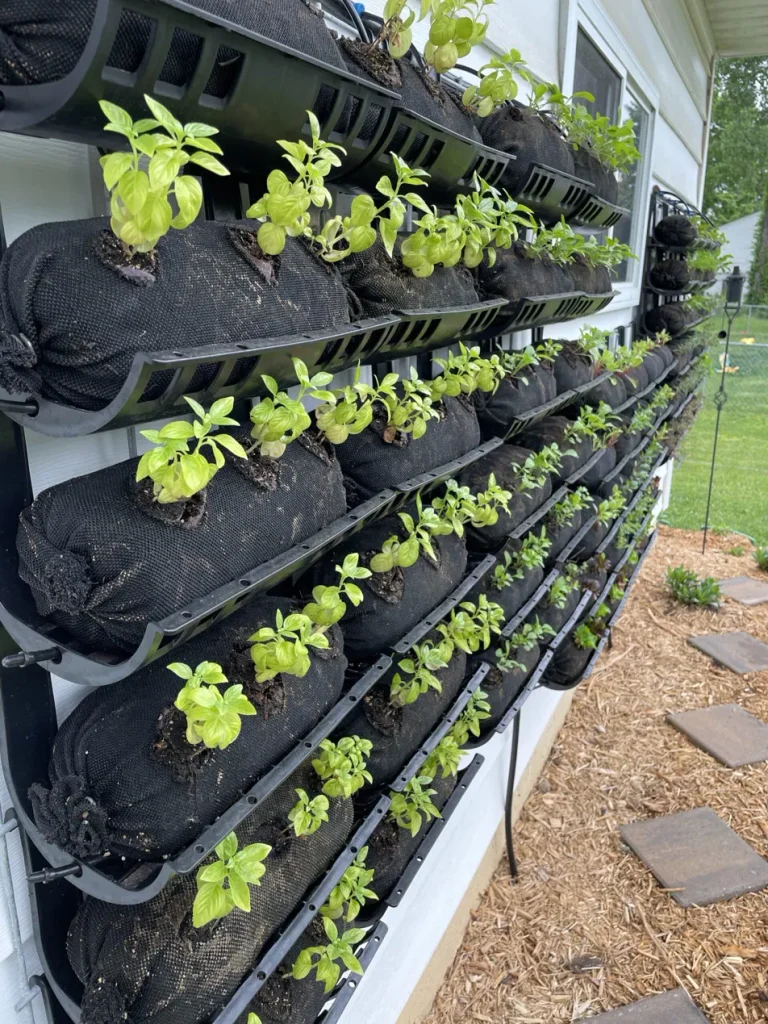
Rows upon rows of black fabric pouches mounted against a house wall, each one sprouting basil or pepper seedlings, honestly this is vertical gardening taken to full commercial energy.
The pouch system allows tight spacing without root competition.
You ought to try scaling this down to a few rows if your food growing ambitions are bigger than your yard.
An Old Window Frame Becomes A Living Piece Of Art
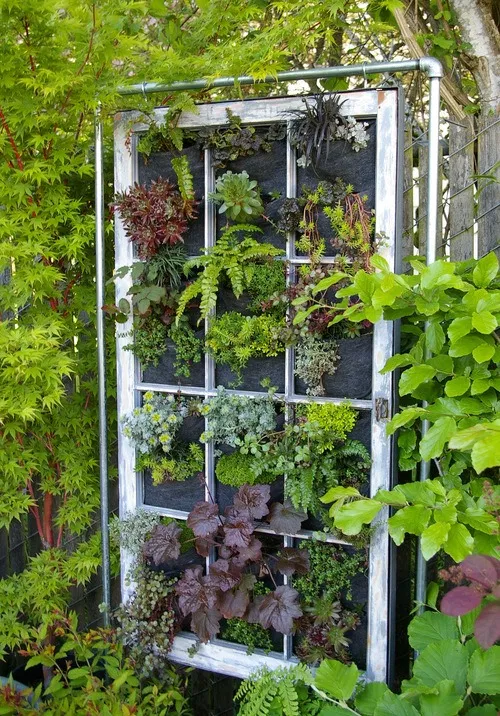
Salvaging a window frame and filling each pane with succulents and trailing greens turns junk into genuinely gorgeous vertical decor.
Felt backing behind the glass panes holds soil and moisture in place.
This works best tucked into a shaded garden corner surrounded by other greenery.
Basically, if you have an old window sitting in storage, this is its second act.
Gutters Growing Lettuce Right On The Siding
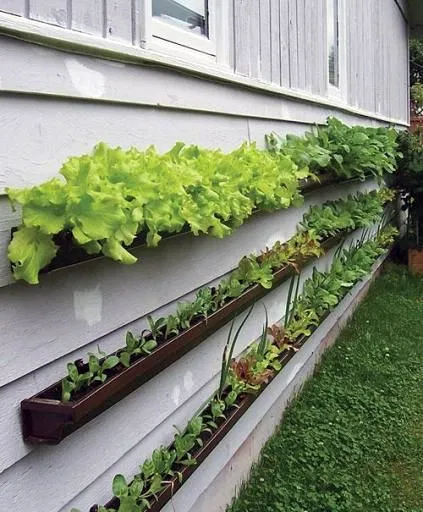
Mounted rain gutters running horizontally along house siding let three separate rows of lettuce and greens grow without touching the ground at all.
Shallow gutter depth suits leafy crops perfectly since they barely need root room.
Watering the top row lets excess trickle down to rows below.
This setup basically turns unused wall space into a working salad bar.
Cedar Boxes Stacked Like A Modern Bookshelf
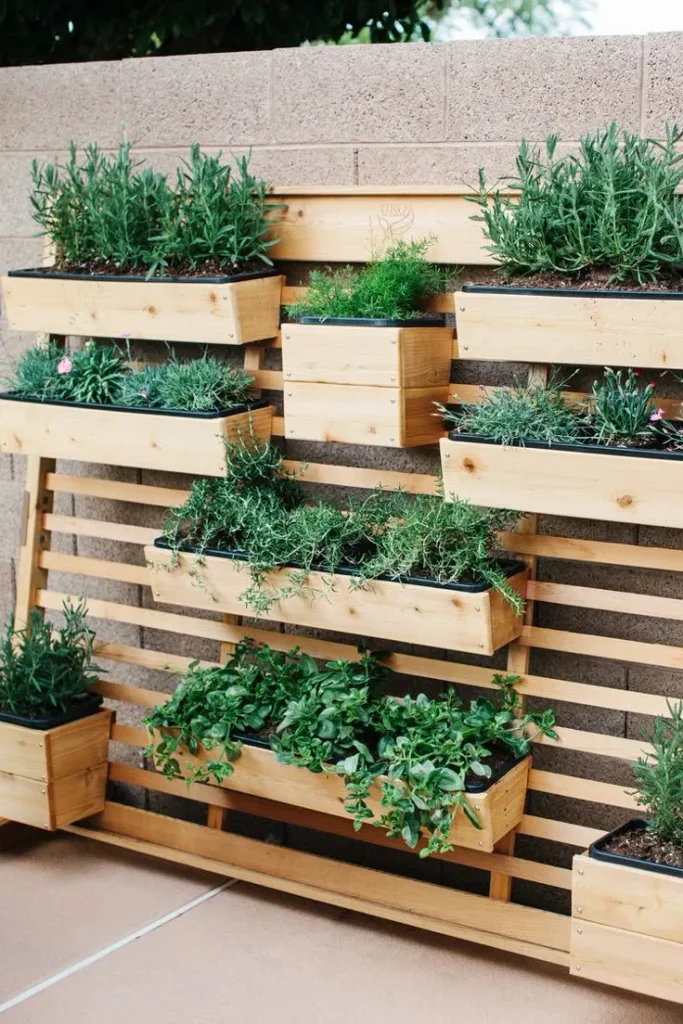
This slatted wood frame holding staggered cedar planter boxes gives rosemary, thyme, and lavender their own individual level, and honestly the stair step arrangement means nothing shades out anything else.
Removable boxes make replanting between seasons painless.
Set against a plain block wall, this instantly upgrades a boring patio corner into something styled and intentional.
The DIY Tomato Cage Nobody Told You About
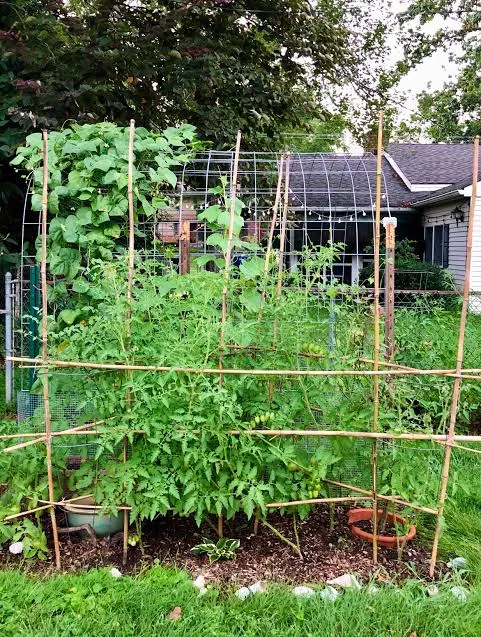
Wire fencing bent into a cylinder and staked with bamboo gives sprawling tomato and bean plants exactly the vertical support they crave.
This method costs almost nothing and reuses materials most gardeners already have lying around.
Nonetheless, secure the base well since a fully loaded cage gets top heavy fast once fruit sets in.
Sometimes the ugliest solution works the best.
Tomatoes Suspended From The Ceiling, Basically
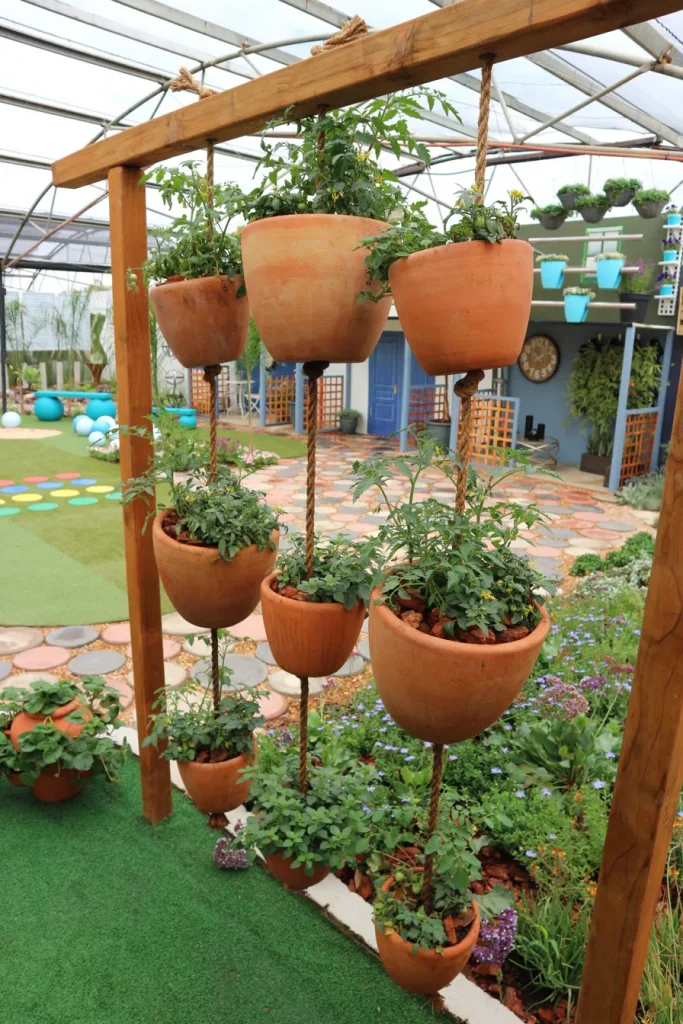
Terracotta pots hanging on rope from a wooden pergola beam let tomato plants trail downward while staying completely off the ground.
This upside down style keeps pests away from fruit and improves airflow around the whole plant.
Although unconventional, this method suits greenhouses and covered patios especially well.
Visually it also turns a working garden into a genuine showpiece.
The Ladder Planter That Does It All
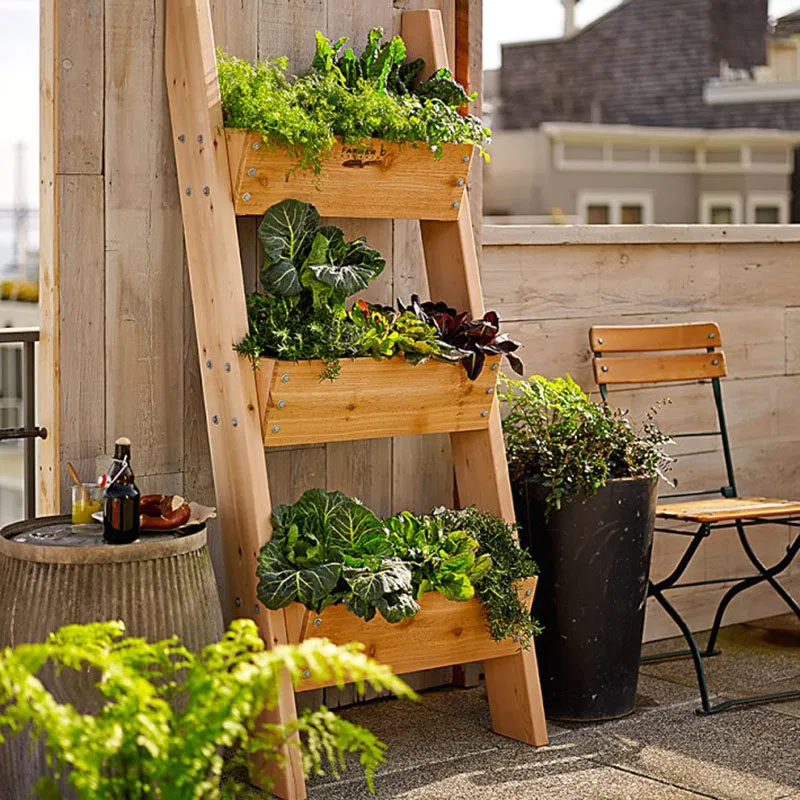
Three tiered cedar boxes on a leaning ladder frame hold everything from kale to herbs, and this one earns its keep on any tight patio.
Staggered depth means each row gets its own light without shading the row below.
You ought to try this if you want serious growing capacity without giving up your only outdoor seating area.
It leans, so no drilling required either.